

Touch-up Relaxer Gallery
$$MultiPurposeText$$
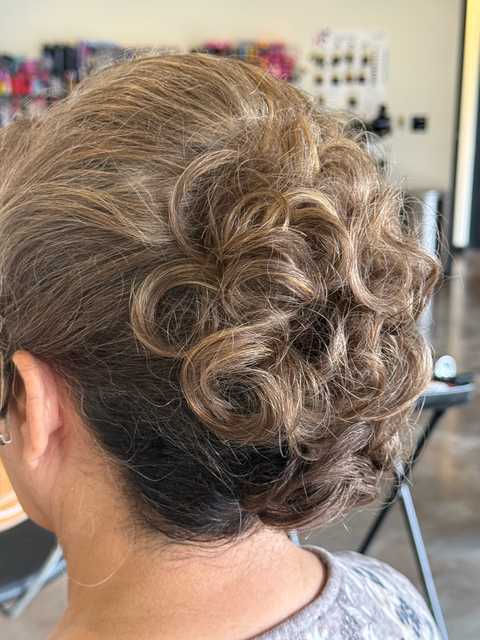
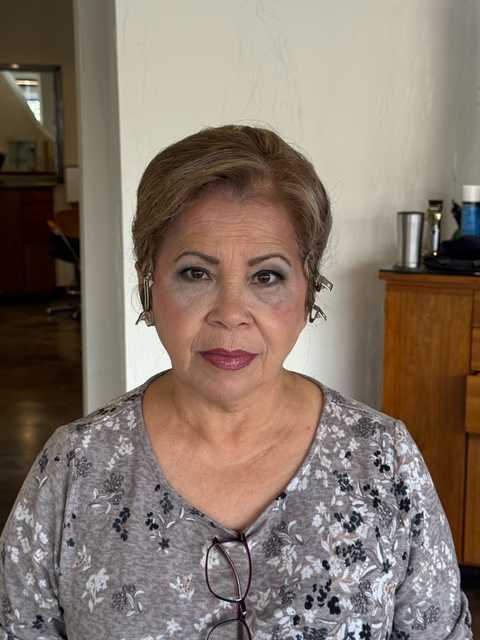
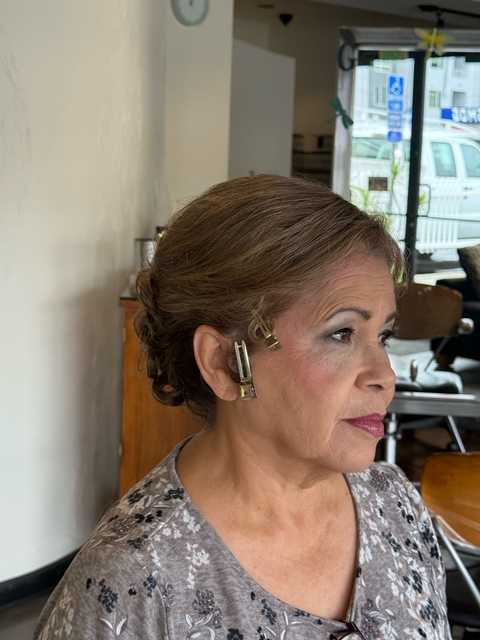
See examples of our Touch-up Relaxer work and results.


What Our Clients Say
$$MultiPurposeText$$
Read testimonials from our satisfied customers

Tonia consistently gives a great haircut. She takes the time to listen and understand exac...more

Tonia always does a great job!

This hairdresser is amazing!

Darren is great with color. I receive many compliments on my blonde hair thanks to Darren...more

Tonia is amazing! I've been going to her for over 10 years and I won't let anyone else tou...more

Tonia’s work is excellent. I used to dread getting haircuts, but walking out of T’s was th...more

Frequently Asked Questions
Get answers to common questions about Touch-up Relaxer.
Most clients return every 6 to 10 weeks, depending on hair growth rate and desired smoothness. Your stylist will assess root length and hair condition to recommend a personalized schedule that balances maintenance with hair health.
When performed by our trained stylists using appropriate timing and strength, touch-ups are safe. We avoid overlapping on already relaxed lengths to prevent overprocessing and always evaluate elasticity before service to protect hair integrity.
Coloring and relaxer chemical services can be combined cautiously. We often recommend separate appointments or a patch test to avoid excess stress. Your stylist will discuss timing based on previous color, hair condition, and target results to maintain hair health.
Typically 60 to 90 minutes, depending on hair length, density, and any conditioning treatments. Consultations and strand tests may add time. We strive for efficient, careful service to ensure proper application without rushing.
Use sulfate-free shampoos, deep-condition weekly, and avoid heat styling for several days. Apply recommended moisturizing treatments and protein as advised by your stylist. Regular trims and protective styles help maintain ends and overall hair health between touch-ups.
Often yes, but safety depends on the specific treatments, timing, and hair condition. We perform a consultation and strand elasticity test to determine suitability, adjusting formulas or recommending waiting periods to minimize breakage and ensure best results.